
Shared fencing in the Paris region: what does the law say?
Abdessadek·April 3, 2026·4 min
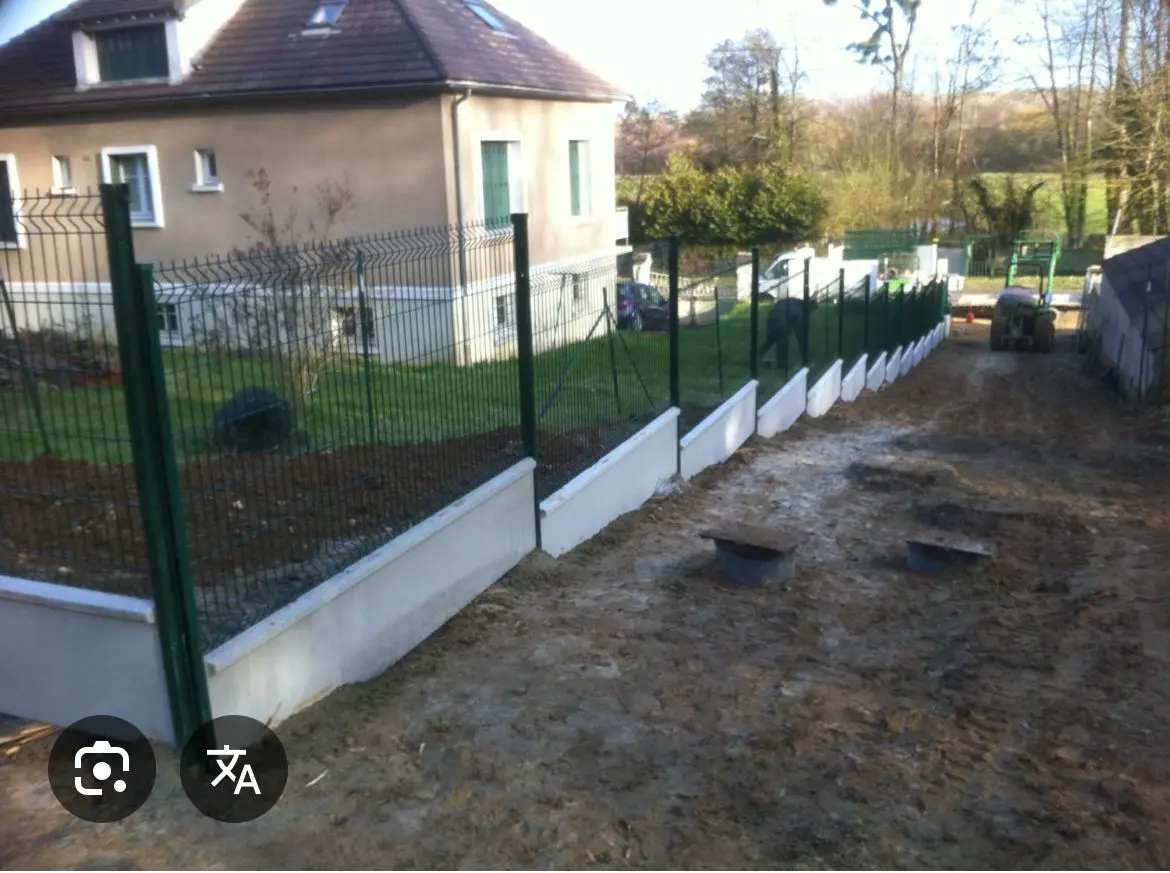
Rules of shared fencing
Installing a dividing fence between two properties is subject to strict rules defined by the Civil Code and the Local Urban Plan (PLU) of your municipality in Île-de-France.
Fencing Installation
Secure your green space with our custom-made wood, PVC or aluminium fences.
Discover this service1. What is a shared fence?
A fence is shared (mitoyenne) when it is built exactly on the boundary line separating two plots of land owned by different people. It is co-owned by both neighbors, who must agree on its construction, daily maintenance, and repairs.
2. Maximum fence height in Île-de-France
According to Article 663 of the French Civil Code, unless overridden by the Local Urban Plan (PLU), the legal height for a separation wall depends on the municipality's size:
- Cities with over 50,000 inhabitants (like Paris and its immediate suburbs): the maximum height is generally 3.20 meters (including the top coping).
- Cities with fewer than 50,000 inhabitants: the height limit drops to 2.60 meters.
However, it's essential to always consult your local PLU, as rules often vary depending on neighborhood restrictions or proximity to historical landmarks.
3. Obligations to your neighbor
Before starting construction on a shared boundary, these steps are critical:
- Get written mutual agreement: Both parties must agree on the fence type (wooden palisade, aluminum, low brick wall) and the initial quote.
- Cost sharing: Construction and maintenance expenses must be split equally (50/50).
- Aesthetic choices: If one neighbor wants a premium finish on their side (like specialized render or color), they must pay the price difference themselves.
4. What happens if there's a disagreement?
If your neighbor firmly refuses to pay for a shared fence, you still have the unalienable right to enclose your property. You must then build a private fence.
A private fence must be built completely on your side of the property line, set back a few millimeters from the exact boundary. You will pay 100% of the cost, but your neighbor will hold zero rights over the fence (they cannot attach climbing plants to it, lean items against it, or paint it).
5. Is City Hall permission needed?
In many Parisian suburbs, erecting a new fence requires filing a Prior Declaration of Works (DP). This step is practically guaranteed if:
- Your home is located in a protected heritage area (requiring French Heritage Architects' approval).
- The local Town Council has actively mandated that all fencing undergoes bureaucratic approval.
FDM ENERGIE provides end-to-end support: from selecting the perfect materials to navigating local paperwork and completing the installation. We guarantee high-quality workmanship fully compliant with your town's regulations.