Which tiles to choose for a historic roof renovation in Île-de-France?
Abdessadek·March 25, 2026·4 min
Preserving the authenticity of an old roof
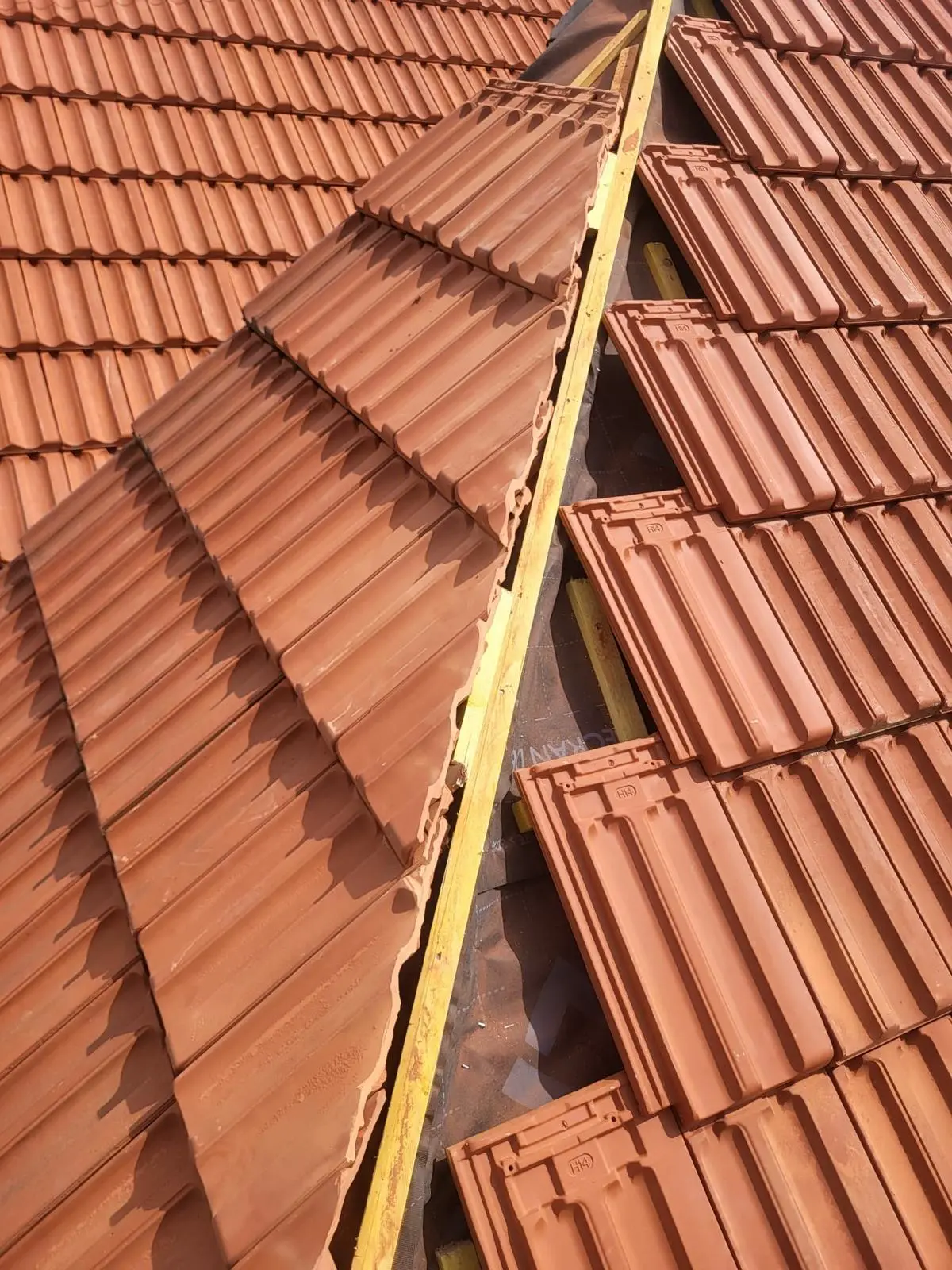
In Île-de-France, the architectural heritage is rich and diverse. Renovating an old roof (whether it's a traditional 'meulière' stone house, a 1930s pavilion, or a Haussmann building) requires respecting the original materials and often complying with the strict requirements of the Architects of French Buildings (ABF).
1. Flat Tiles (Tuiles Plates): The star of heritage roofing
Widespread in the Paris basin, the terracotta flat tile is the characteristic element of traditional roofing in the region.
Its advantages:
- Authentic aesthetics, universally ideal for steeply pitched roofs (greater than 40° slope).
- A large variety of "weathered" shades offered by modern manufacturers today. This allows seamless blending into existing patches or creating an immediate antique patina without looking artificially shiny and new.
- Extremely robust against regional stormy weather.
The ABF constraint: Frequently, heritage architects will demand that the batten spacing (litage) and finishing technique (mixing subtle shades directly on the roof randomly) must perfectly mirror local historical methods.
2. Interlocking and Roman Tiles
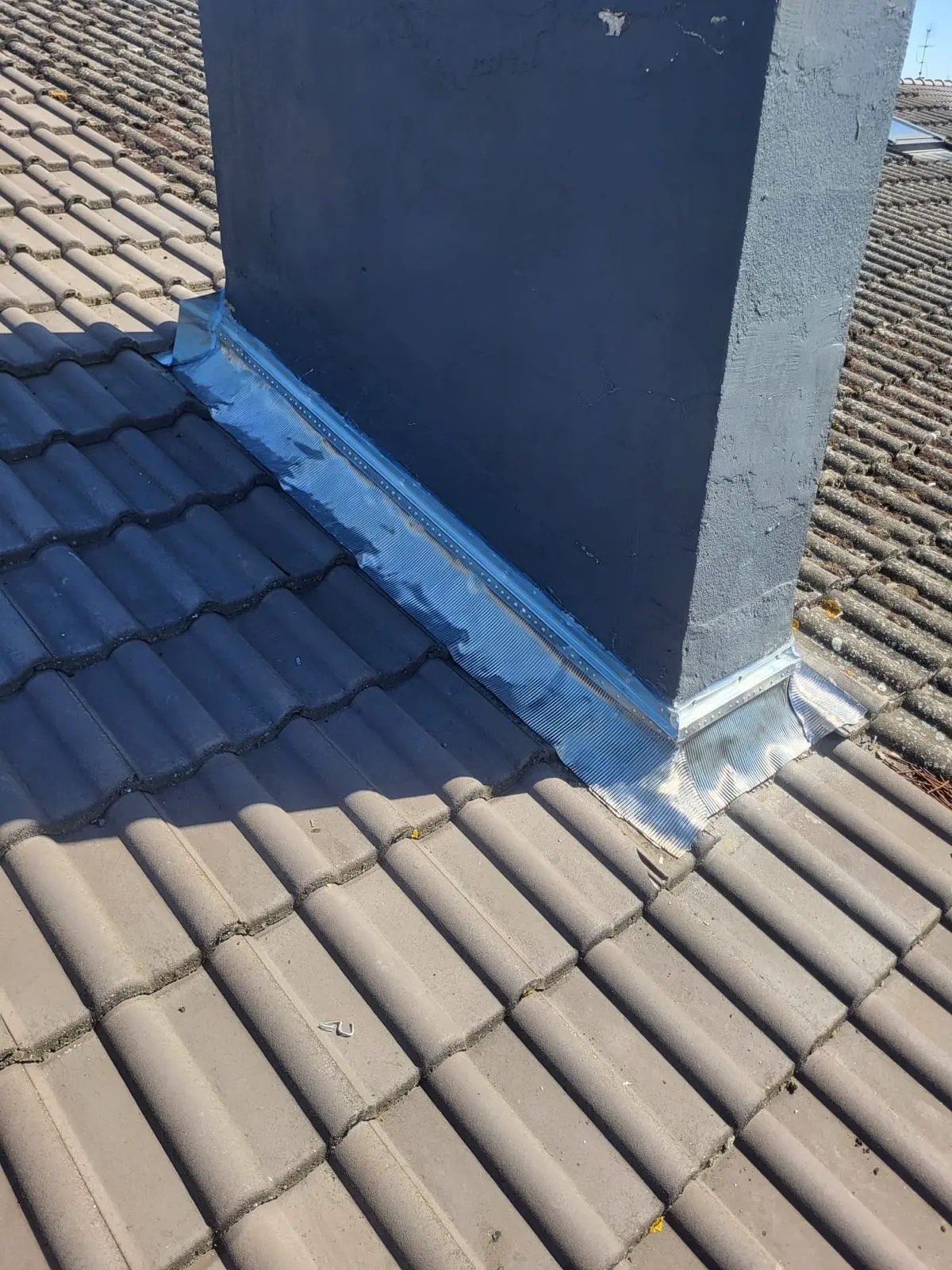
Although slightly less "historic" strictly speaking right in the heart of Paris, interlocking tiles conquered Île-de-France effectively at the start of the 20th century due to decreased manufacturing costs and faster laying times.
For suburban pavilions built since 1920 in the Paris suburbs, large or small-mold interlocking tiles are standard. It's wildly important to source models with identical curves and formats. Luckily, premium modern manufacturers frequently reissue classic heritage casts to match precisely.
3. The prestigious alternatives: Slate and Zinc
While technically neither are 'tiles', it's impossible to discuss historical Parisian roofing without bringing up slate and zinc.
- Zinc: The reigning icon of Paris since Haussmann. Laid seamlessly, zinc effortlessly hugs the curves of traditional Mansard roofs.
- Slate (Ardoise): Elegant with an exceptional lifespan (up to 100 years), it adorns many bourgeois manors. While synthetic models exist, if the building is protected by the ABF, using natural quarried European slate is rigidly enforced.
How FDM ENERGIE handles heritage challenges
Renovation fundamentally requires structural diagnostics of the existing timber frame (charpente). Flat tiles, for instance, are incredibly physically heavy (weighing up to 65kg/m2). Before the new roofing materials are attached, our master roofers thoroughly audit the timber, swap out damaged rafters, and install an HPV (highly permeable to vapor) under-roof barrier, which is vital for modernizing the air-seal on drafty ancient houses.
Entrusting your heritage building's roof to FDM ENERGIE means tapping into traditional, time-honored roofing techniques while simultaneously validating the modern thermal performance underneath. Request a free expert appraisal for your classic villa today.