
Roof Leak Warning Signs: 7 Symptoms You Shouldn't Ignore
Abdessadek·May 5, 2026·7 min
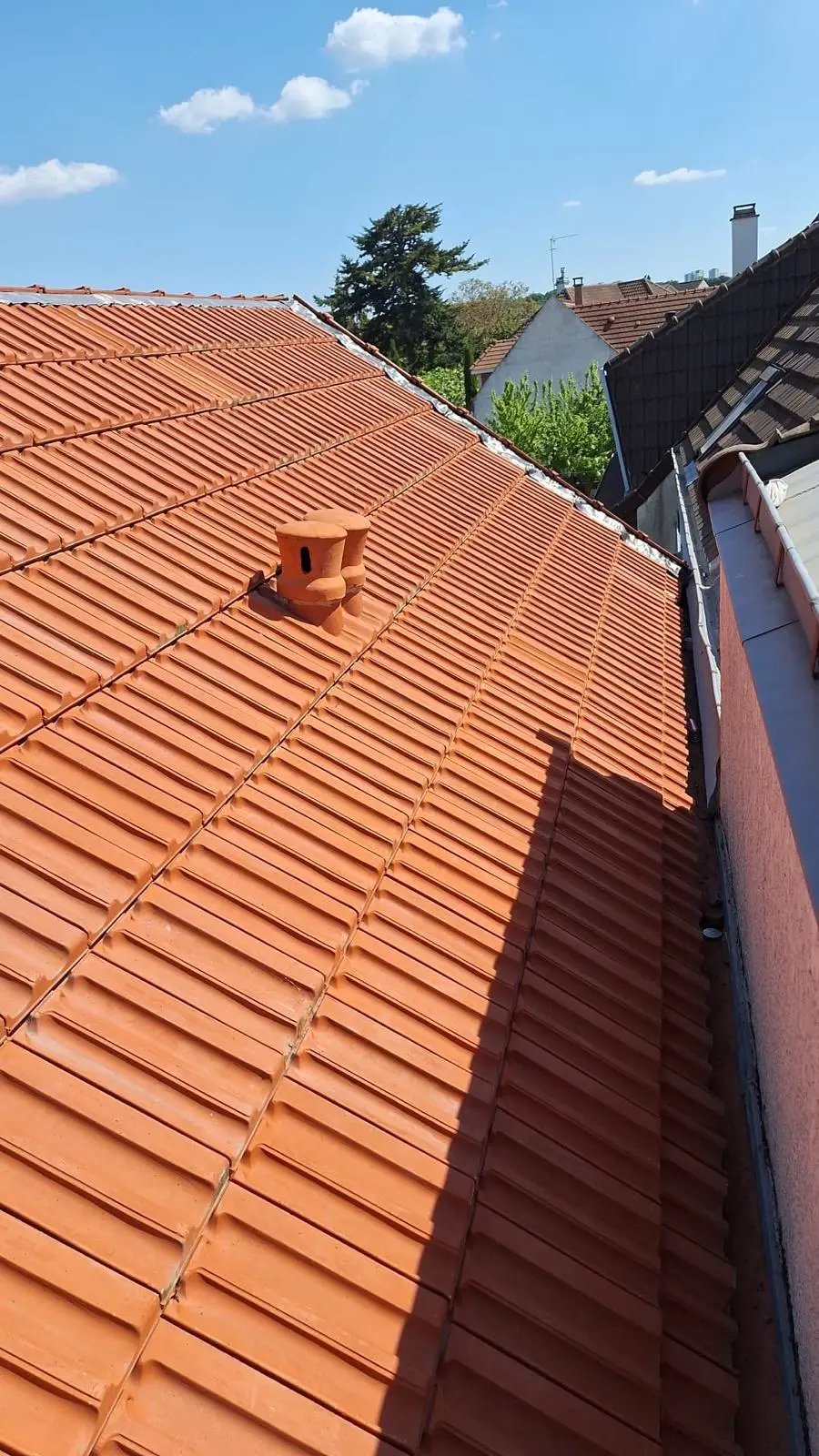
What is a roof infiltration?
A roof infiltration is the uncontrolled penetration of rainwater through a building's roof covering, caused by a failure in materials, joints or structure, which can cause significant damage to the timber frame, insulation and living areas.
Roof leaks are rarely sudden. In most cases they develop gradually, leaving visible clues long before damage becomes catastrophic. In Paris and Île-de-France, where zinc, slate and tile roofs face winter rains, freeze-thaw cycles and summer heatwaves, vigilance is essential. Knowing these warning signs can save you thousands in repair costs.
The 7 signs of a roof infiltration
1. Brown stains or halos on the ceiling
This is the most obvious sign and often the first to appear. Yellowish or brown patches on the ceiling, sometimes surrounded by a characteristic halo, indicate that water is infiltrating from the roof and passing through insulation and finishing materials.
Do not paint over them. The stain will reappear and you will mask the true extent of the problem. Contact a roofer for a proper diagnosis.
2. Black or green mould indoors
The presence of mould (Cladosporium, Aspergillus, etc.) on walls, ceilings or in the loft is a serious indicator of chronic moisture. A water infiltration maintains a high humidity level that encourages growth.
Mould is not just unsightly — it poses a real health risk, particularly for people with allergies or asthma. In Île-de-France, older buildings with ageing roofs are particularly exposed.
3. Persistent musty smell
A musty, earthy or stale smell in upper rooms or the loft often signals structural moisture. It typically precedes the appearance of visible stains and tends to be stronger after rainy periods.
4. Warped or lifting floorboards
If your wooden floor on the top storey begins to swell, peel or show irregularities, moisture from the roof may be the cause. Infiltrated water travels through insulation and slabs to reach floor coverings.
This is particularly common in top-floor Haussmann apartments in Paris, where the original zinc roof may be several decades old.
5. Degraded thermal insulation
An unexplained rise in heating bills, or rooms under the roof that are abnormally cold in winter and hot in summer, may indicate insulation damaged by water infiltration. Glass wool and rock wool lose up to 50% of their thermal efficiency when wet.
6. Displaced, cracked or missing tiles
On the exterior, visual inspection of your roof is equally revealing. Broken, slipped or missing tiles create unprotected zones directly exposed to the elements. After every storm — and Paris experiences several each year — an inspection is warranted.
Key areas to check:
- Ridge tiles and hip tiles
- Verge and barge boards
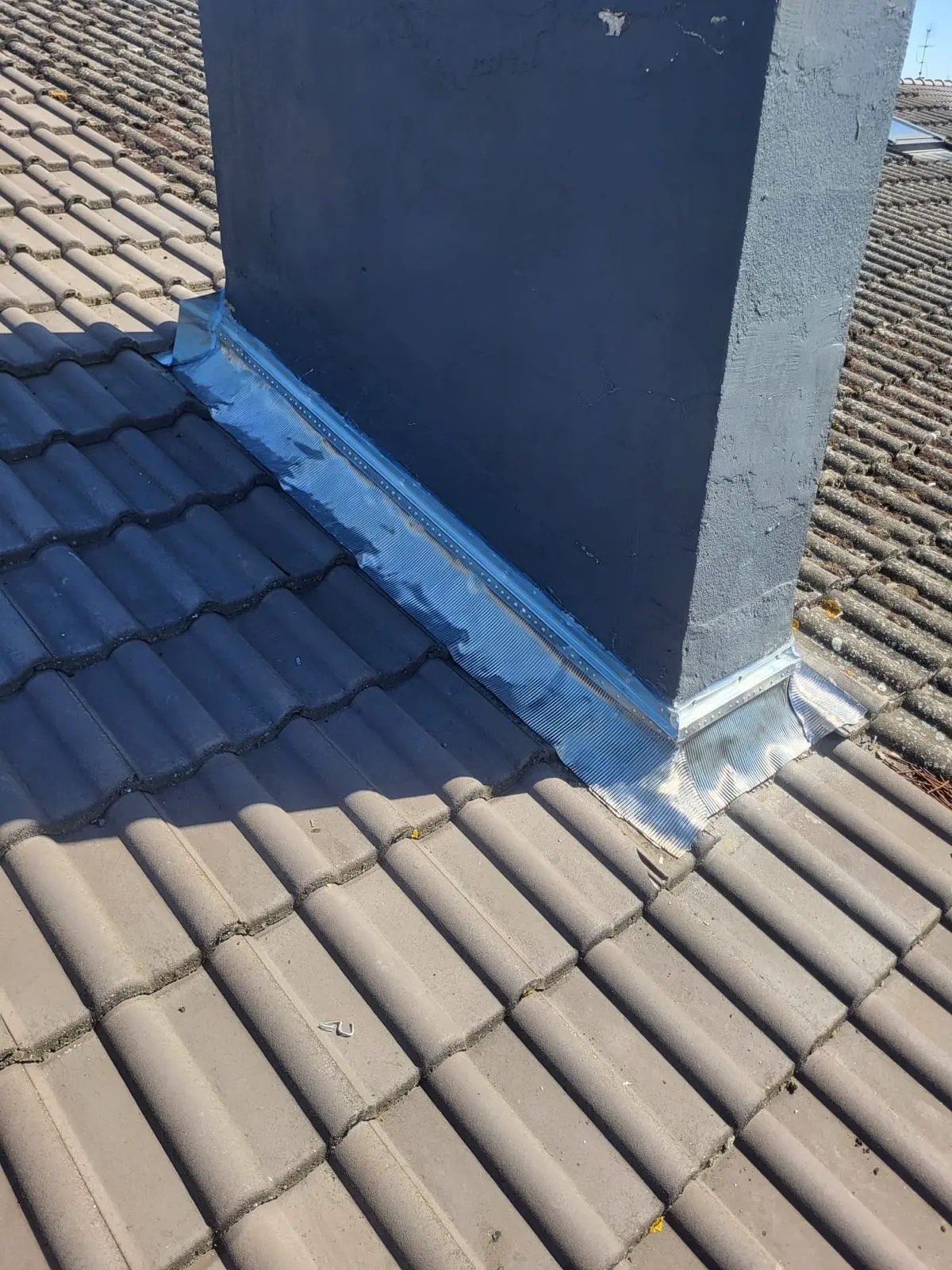
- Lead flashings and soakers around dormer windows and chimneys
- Gutters and channels that overflow (sign of blockage)
7. Moss, lichen or vegetation on the roof
The presence of green moss, lichen or small plants on your roof covering signals that materials are retaining moisture abnormally. Moss works between tiles or slates, lifts them and accelerates their degradation.
In Île-de-France, north-facing or tree-shaded roofs are particularly affected. A preventive anti-moss treatment every 3 to 5 years is recommended.
Why acting quickly is essential
The costs of a roof infiltration escalate exponentially over time:
| Stage of infiltration | Typical intervention | Estimated cost |
|---|---|---|
| Early (a few tiles, failing joint) | Localised repair | €200 – €800 |
| Moderate (extended area, wet insulation) | Repair + insulation replacement | €1,500 – €5,000 |
| Advanced (frame affected, extensive mould) | Partial or full renovation | €10,000 – €40,000 |
What to do when you detect a leak
Emergency (first few hours)
- Protect your belongings — move furniture, electronics and valuables away from the affected area.
- Place containers to collect dripping water.
- Take timestamped photographs of all damage — essential for your insurer.
- Turn off electricity in the affected zone if water is near electrical installations.
In the following days
- Contact your insurer within 5 working days (legal deadline for water damage claims in France).
- Call a qualified roofer for a full diagnosis and lasting repair.
- Request a detailed quote specifying the areas treated, materials used and guarantees offered.
Repair or replace?
Repair is appropriate if:
- The roof is less than 20 years old
- Damage is localised (less than 20% of the surface)
- The timber frame is sound
Replace is advisable if:
- The roof is over 30 years old (tiles) or 50 years (poorly maintained zinc)
- Infiltrations are multiple and recurring
- Materials are severely degraded across the whole surface
Preventing infiltrations: best practices
- Annual inspection every autumn before the rainy season
- Gutter cleaning twice a year (spring and autumn)
- Anti-moss treatment every 3–5 years depending on exposure
- Post-storm checks after every significant wind event
- Inspect vulnerable points: flashings, soakers, valleys — these account for 80% of infiltrations
FDM ENERGIE carries out complete roof diagnostics across Paris and Île-de-France, with a written report and photographs. Contact us to schedule an inspection or get a quote on our contact page. Our qualified roofers respond quickly to identify the source of your infiltration and propose the most appropriate and lasting solution.